
 By Elizabeth Samson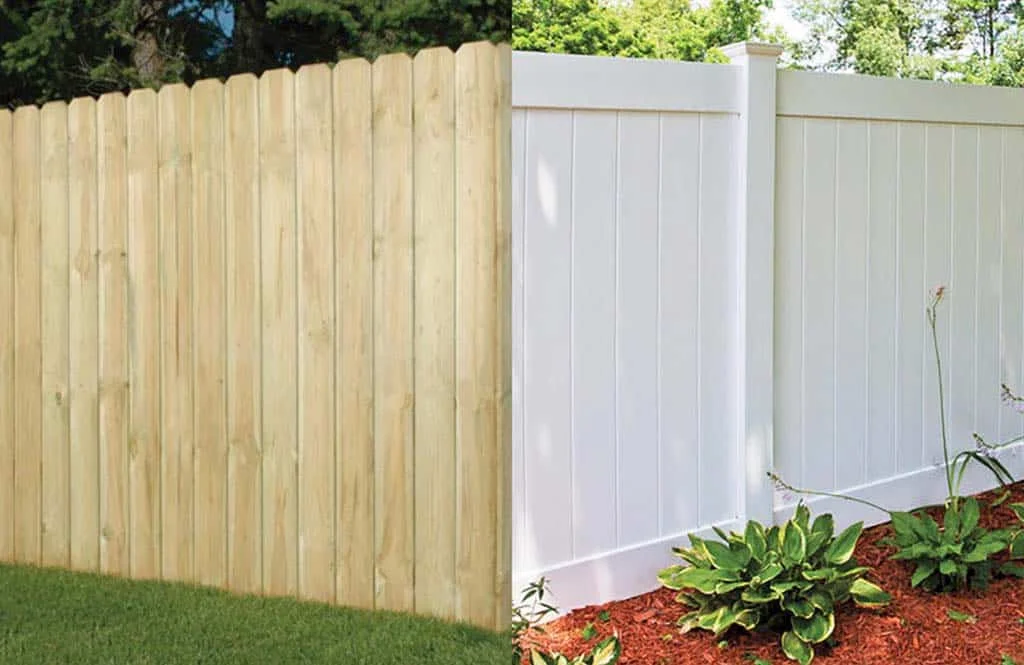
Vinyl fences have been a popular choice for many homeowners in the past, whether they want something sleek and modern or just a no-hassle solution. Before making a decision, it’s good to know the ins and outs of a vinyl fence and what is involved. Let us explore the pros and cons of vinyl fencing and help you make a decision if it is the right option for your home.
Pros of Vinyl Fencing
Vinyl fences are most commonly used among homeowners. Some of the best perks of vinyl fencing are that it can be used in rough and tough environments, requires less maintenance, and wide range of styles. Here are some of the major pros of vinyl fencing.
1. Low Maintenance
What is the greatest advantage of vinyl? It is practically maintenance-free. Vinyl is wood’s opposite. No sanding, repainting, or resealing. It is the “set it and forget it” type of fencing, which is a great benefit for people who have a busy lifestyle.
2. Durability
Vinyl is very strong and long-lasting. It will not be affected by the weather and will not rot, rust, or deform, no matter how extreme the conditions are. Hot sun, pouring rain, or snow – vinyl fences are always ready. And if you choose a top-quality vinyl fence, expect it to serve you for up to 20 to 30 years.
3. Weather Resistance
Vinyl is tough, and here is why: it is so good at moisture handling that it is compared to a pro. Whether the conditions are humid or the rain is heavy, the vinyl fence will not warp or rot like wood does.
4. Variety and Style
In terms of styles, colors, and finishes, there is an extensive selection of vinyl fences, which means it is very easy for you to pick one that goes with your house’s theme. The vinyl fence can go from a vintage picket fence to a more private solid panel, and will fit almost any garden.
5. Safety and Smooth Surface
Another advantage vinyl has to offer is that it is splinter-free. There are no rough edges or dangerous points that might hurt a child or animal, which is very important if you have kids or pets in your house.
6. Environmentally Friendly Options
The use of recycled materials in the production of certain vinyl fences is an ecological benefit. In addition, the longevity of vinyl fences and their non-replacement leads to less waste production compared to wood fences that require replacement after a couple of years.
7. No Pests or Rot
If you want to say goodbye to termites or wood rot problems, the answer would be vinyl. It won’t pull in any pests such as termites or carpenter ants, unlike wood, which may lead to significant destruction through their activity over time.
8. Easy Installation
Vinyl fences are always up for the challenge of convenience. Generally, they can be found in ready-to-use panels that require little effort to get set up. Consequently, installers have less labor, and the whole process takes less time.
9. Increased Property Value
A fashionably and properly kept vinyl fence can add a lot to your home’s appeal from the outside. Also, it may give your property a larger resale value. The least-favorite aspect of vinyl fencing from the buyers’ point of view is the maintenance.
Cons of Vinyl Fencing
Vinyl fencing is amazing in all terms, but it has some minor, negligible drawbacks, and here are a few:
1. Initial Cost
The primary disadvantage of vinyl fencing is the cost to set it up. Even though vinyl could be the cheaper material in the long haul because of less upkeep, still, the initial price could be over that of a wooden or chain link fence. So, if the budget is limited, then vinyl may turn out to be more expensive at the start.
2. Risk of Cracking in Extreme Cold
Vinyl is very strong, but not unbreakable. The winter months can be very cold in some places, and the vinyl can be so cold and brittle that it can be cracked if it is hit hard enough. This is a major concern for the majority of people, though it is not really a problem in places that seldom go below freezing.
3. Limited Repair Options
Usually, when a vinyl fence gets ruined, it means that more labor will be required to repair it than in the case of an installation using other materials. For example, in the case of a wooden fence, it is often sufficient to change only one panel or to fix a little area, while with a damaged vinyl fence, the whole panel will have to be replaced.
Quick Comparison Table Between Vinyl and Other Types of Fences
| Fence Type | Durability | Maintenance | Cost | Appearance | Lifespan |
| Vinyl | High | Very Low | Low | Clean, modern | 20-30 years |
| Wood | Medium | High (needs painting/sealing) | Low | Traditional, natural | 10-20 years |
| Chain Link | Low | Low | Very Low | Industrial | 10-15 years |
| Wrought Iron | High | Medium | High | Classic, elegant | 30+ years |
| Composite | High | Low | High | Wood-like, rustic | 25-30 years |
Conclusion
Vinyl fences are extremely practical, easy to maintain, and the most preferred choice of homeowners around the globe. Initially, installing vinyl fencing gives the impression that it’s a bit heavy on the pocket, but the maintenance and repair cost covers the difference significantly. Consequently, if you want a fence that will last for decades with practically no hassle, vinyl is a great choice. There are many pros and cons of getting vinyl fences, but one that stands out is their long-term durability.