
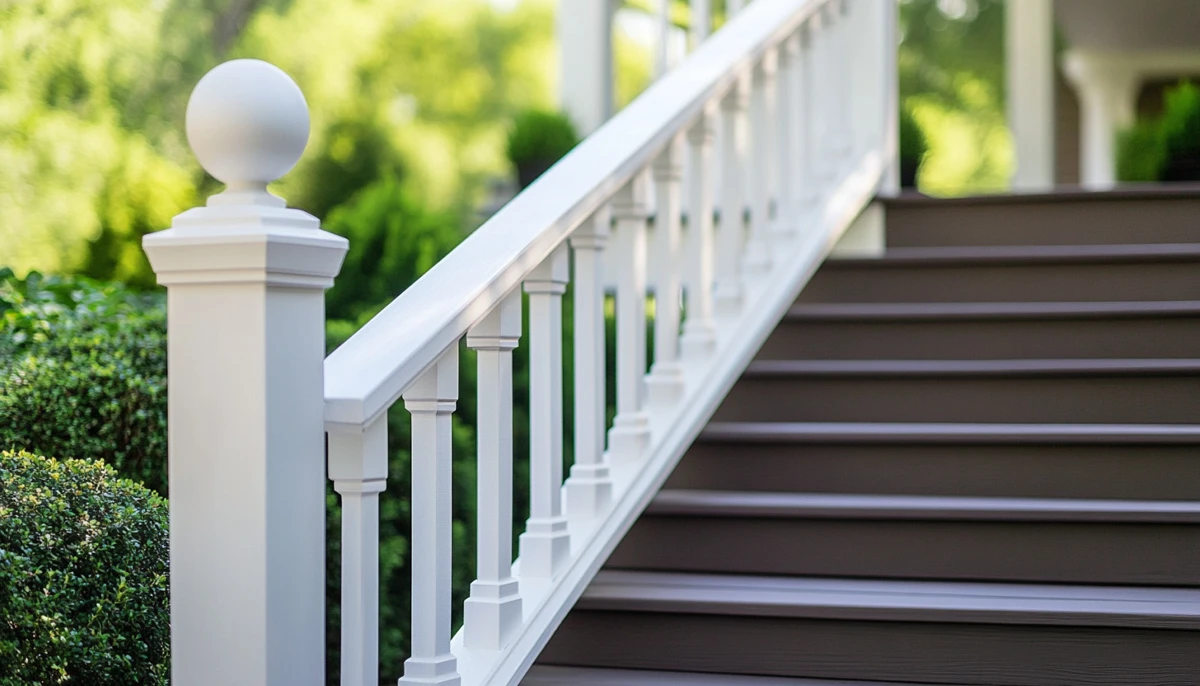
A handrail may look solid while small problems are developing underneath the surface. Regular handrail maintenance helps catch loose fasteners, surface damage, moisture exposure, and movement before a rail becomes unreliable. Because people depend on handrails for balance, even minor looseness deserves attention rather than being treated as a cosmetic issue.
Check Movement Before Looking for Surface Damage
Start by gripping the rail at several points and applying gentle pressure in different directions. A secure handrail should feel firm without noticeable rocking, twisting, or movement at brackets and posts.
Pay special attention to stair landings and rail ends. These areas often receive repeated pulling and pushing. Homeowners building broader maintenance routines may also find home upkeep resources useful when organizing seasonal inspection tasks around the property.
Inspect Every Connection Point
Look closely at screws, bolts, brackets, anchors, and mounting plates. Rust staining, widening gaps, bent hardware, or fasteners pulling away from the mounting surface can indicate that the connection is weakening.
Tightening a loose screw may help when the surrounding material remains sound. If wood has split or masonry has crumbled around an anchor, however, simply tightening the hardware may not restore a dependable connection.
Watch for Moisture and Corrosion
Outdoor handrails face rain, humidity, snow, sprinklers, and temperature changes. Metal rails may develop corrosion around welds and fasteners, while wooden rails can absorb moisture through cracked paint or exposed end grain.
Small maintenance problems around entrances often appear together. Reading broader household maintenance topics can help homeowners remember that railings, steps, thresholds, and nearby surfaces should often be inspected during the same maintenance session.
| Condition | What You May Notice | Useful Response |
|---|---|---|
| Loose bracket | Rail shifts under pressure | Inspect and secure mounting |
| Early rust | Orange staining or rough spots | Clean and protect surface |
| Wood decay | Soft or darkened areas | Repair or replace damaged material |
| Peeling finish | Bare material exposed | Refinish after preparation |
Protect the Rail Surface
Paint, stain, powder coating, or another protective finish does more than improve appearance. It limits exposure to moisture and slows deterioration of the material beneath.
Clean dirt before applying a new finish because coating over grime or loose paint traps problems instead of solving them. Homeowners comparing materials and finishes can also browse practical home ideas while planning exterior maintenance projects.
Use products suited to the rail material and its exposure conditions. A finish designed for indoor decorative wood may not hold up on an exterior handrail exposed to rain and sunlight.
What People Often Miss
A rail can be freshly painted and still be unsafe. Appearance is easy to notice, but structural movement often matters more than scratches, fading, or minor surface wear.
Another mistake is checking only the center of the railing. Weakness often develops where the rail meets a wall, post, stair tread, or concrete landing. Those transition points carry repeated loads and may hide damage behind trim or mounting plates.
Frequently Asked Questions
How often should outdoor handrails be inspected?
A quick inspection a few times each year is sensible, especially after severe weather or seasonal temperature changes. High-use rails may deserve more frequent checks because repeated gripping and pulling can gradually loosen hardware.
Can a loose handrail simply be tightened?
Sometimes. If the fastener and surrounding material remain sound, tightening may restore stability. If the mounting surface is cracked, rotted, or enlarged around the fastener, a more complete repair may be needed.
Should rust on a metal handrail be ignored if it is small?
Small surface rust is easier to address before it spreads. Clean the affected area, check whether corrosion has weakened the metal, and restore the protective coating with a product suitable for the rail material.
Keep Safety Ahead of Appearance
Treat movement, loose connections, corrosion, and decay as maintenance priorities rather than cosmetic annoyances. Test the rail periodically, inspect every attachment point, and repair damaged mounting material before refinishing the surface. A dependable handrail should feel solid every time someone reaches for support.


