
Home design trends change constantly, introducing new colors, furniture styles, decorative materials, and layout ideas. While these trends can provide inspiration, following every popular design concept does not necessarily create a comfortable home. Sometimes, the most inviting living spaces are those that reflect personal preferences, practical needs, and everyday routines rather than temporary fashion.
A comfortable home should support the way people actually live. Whether someone occupies a compact apartment, a suburban house, or a shared family property, thoughtful design choices can make the environment feel welcoming without requiring expensive renovations or frequent updates.
Prioritizing Comfort Over Appearance
Beautiful interiors often attract attention through carefully arranged furniture, coordinated colors, and decorative accessories. However, visual appeal alone cannot guarantee everyday comfort.
A stylish sofa might look impressive in photographs but become uncomfortable during extended use. Similarly, an elaborate dining arrangement may appear attractive while leaving insufficient space for movement.
Homeowners should consider furniture dimensions, seating support, lighting, and accessibility before focusing on decorative details.
Lifestyle publications such as GLID Australia can introduce readers to different approaches to home improvement and everyday living. Exploring such ideas can provide inspiration while encouraging individuals to select features that genuinely suit their households.
Ultimately, practical comfort should guide design decisions rather than the desire to recreate a fashionable interior.
Understanding Personal Living Habits
Every household has different routines, responsibilities, and preferences. A living space that works perfectly for one family may feel inconvenient for another.
For example, someone working remotely might benefit from a quiet corner with comfortable seating and adequate lighting. Families with young children may prefer durable furniture, accessible storage, and open areas for activities.
Households that frequently entertain guests might prioritize flexible seating arrangements and a welcoming dining space.
Parenting resources such as The Parent Blog can encourage families to consider how home environments support changing responsibilities and daily routines.
Understanding these habits helps homeowners make improvements that remain useful long after particular design trends lose popularity.
Choosing Timeless Colors and Materials
Trendy colors and decorative finishes can quickly transform a room, but they may also become outdated as preferences change.
Neutral shades, natural textures, and simple materials often provide greater flexibility because they complement different furniture styles and decorative accessories.
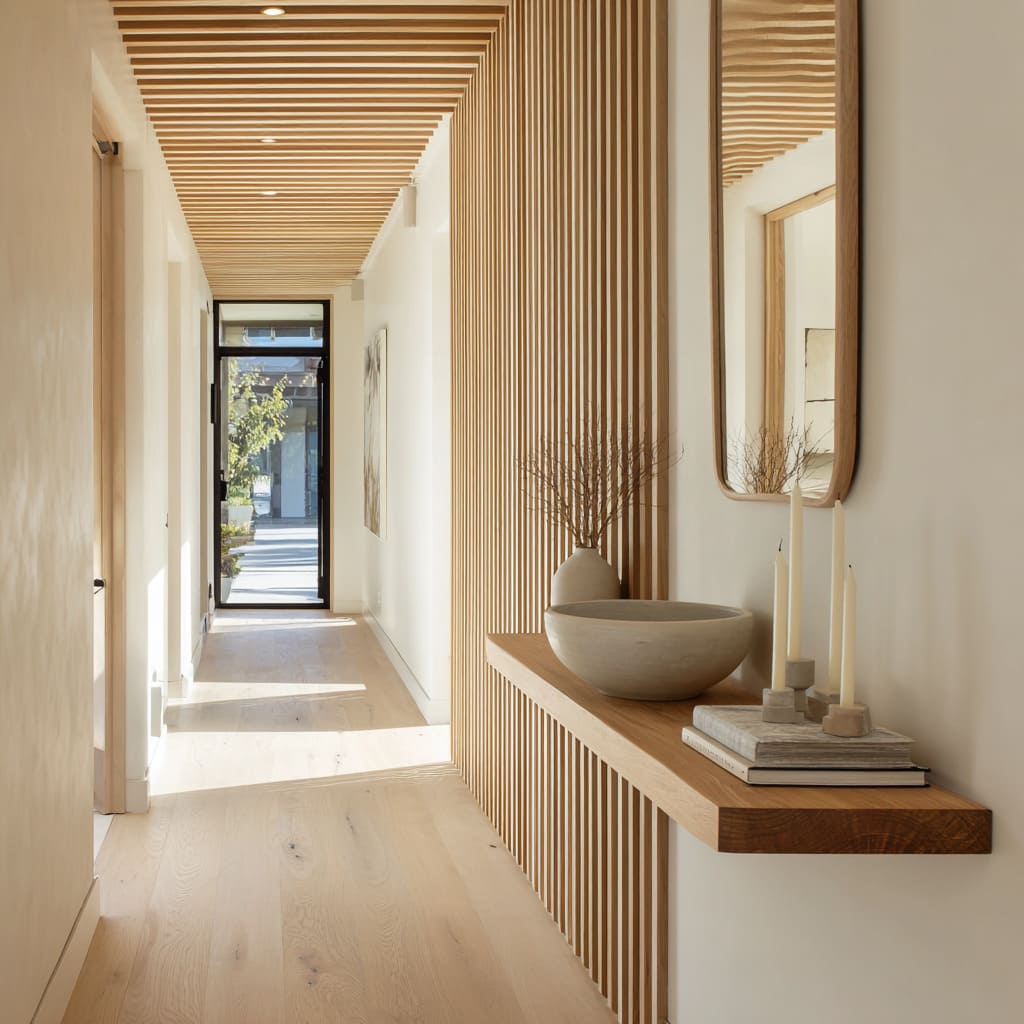
Warm whites, earthy tones, soft grays, and natural wood finishes can create a calm atmosphere without making the space appear overly designed.
This does not mean every room must look plain. Personal touches, colorful cushions, artwork, and meaningful decorative objects can introduce individuality without requiring permanent changes.
Choosing durable materials is equally important. Furniture and finishes that withstand regular use can reduce maintenance expenses and preserve comfort over time.
Making Better Use of Available Space
Comfortable living does not necessarily depend on having a large property. Smaller homes can feel spacious and organized when furniture placement and storage are carefully considered.
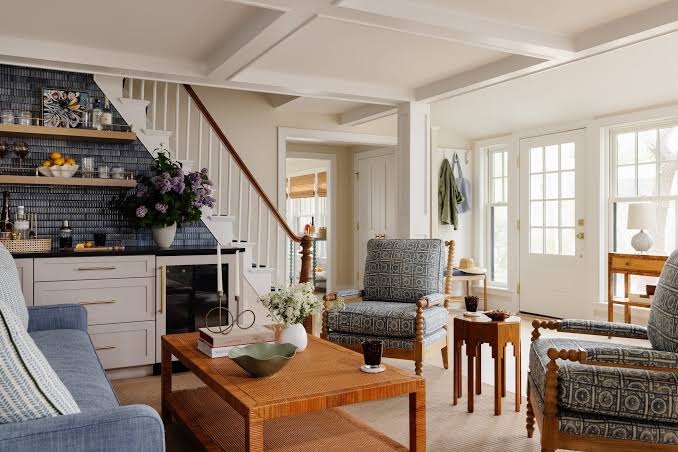
Multifunctional furniture, wall shelves, concealed storage, and appropriately sized tables can improve everyday convenience. Leaving sufficient walking space also helps rooms feel less crowded.
Australian lifestyle platforms, including Melbwire.com.au, can serve as starting points for exploring broader conversations about urban living, housing preferences, and practical lifestyle choices.
Rather than purchasing additional furniture whenever a new trend appears, homeowners can first evaluate whether their existing arrangements could work more effectively. Sometimes, simply repositioning furniture creates a noticeable improvement.
Creating a Comfortable Atmosphere Through Lighting
Lighting influences both the appearance and functionality of a room. Harsh overhead lighting may feel uncomfortable during relaxing evenings, while insufficient lighting can make reading or working difficult.
Combining natural daylight with adjustable lamps and softer lighting options allows rooms to support different activities. Curtains and blinds can help regulate brightness and privacy throughout the day.
A thoughtfully illuminated room often feels more welcoming than one filled with expensive decorative accessories.
Allowing Personal Character to Shape Interiors
Homes become memorable through the people who live in them. Family photographs, travel souvenirs, handmade decorations, favorite books, and inherited furniture can create a sense of familiarity.
These objects may not follow a particular design theme, but they contribute emotional value that fashionable accessories cannot always replace.
Discussions around Sydney news and lifestyle frequently touch on changing urban living preferences, community experiences, and everyday household priorities. Such subjects can inspire homeowners to think beyond appearances and consider the personal meaning of their surroundings.
A home filled with meaningful belongings often feels more authentic than one designed exclusively around current trends.
Improving Spaces Gradually
Creating a comfortable home does not require completing every improvement immediately. Gradual changes allow homeowners to understand which features work and which require adjustment.
Replacing an uncomfortable chair, improving storage, introducing indoor plants, or rearranging a living area can produce worthwhile results without major spending.
Taking time between improvements also prevents unnecessary purchases and encourages thoughtful decisions.
Instead of treating home improvement as a continuous race to remain fashionable, households can approach it as an ongoing process of making daily life easier.
Conclusion
Creating comfortable living spaces involves understanding personal needs, selecting practical furniture, improving lighting, and making thoughtful use of available space. Design trends can provide useful inspiration, but they should never become more important than functionality and individual preferences.
A genuinely welcoming home does not need to impress visitors with the latest decorative styles. It should provide a dependable environment where people can relax, complete daily responsibilities, and enjoy meaningful moments.
By focusing on lasting comfort rather than temporary popularity, homeowners can create living spaces that remain enjoyable for years.