

Home renovations often begin with excitement, inspiration, and a collection of beautiful interior photographs. Homeowners imagine elegant kitchens, luxurious bathrooms, and stylish living spaces that reflect their personalities. However, some design decisions that appear impressive in photographs become frustrating once people start using those spaces every day. Renovation regret usually develops when appearance receives more attention than comfort, practicality, and long term usability. Understanding the difference between attractive design and functional living can help homeowners create spaces they genuinely enjoy.
Beautiful Kitchens That Make Cooking Difficult
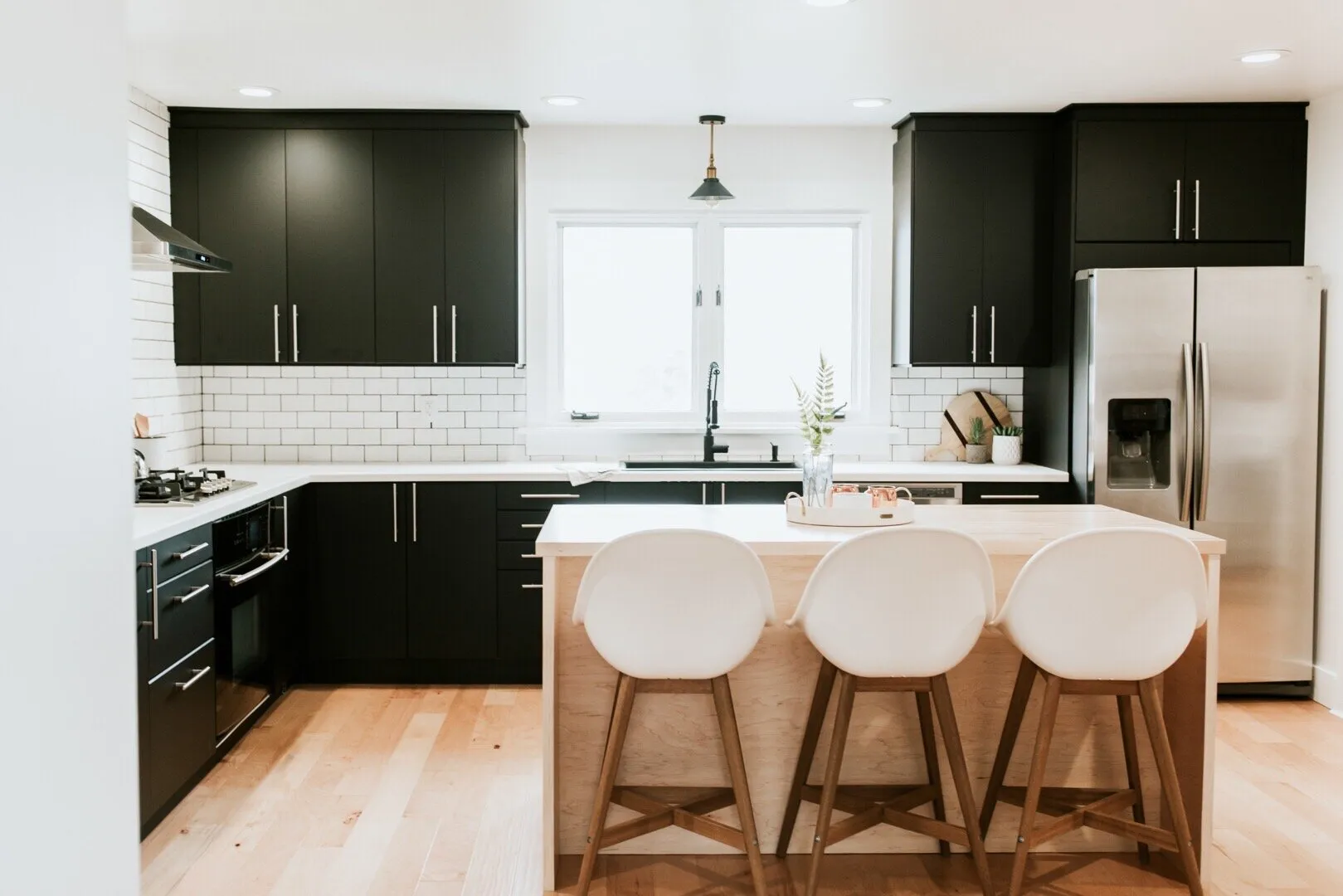
Kitchens are among the most frequently renovated areas of a home, yet they are also where impractical design decisions become particularly noticeable. Oversized islands, open shelving, and minimalist cabinetry can create impressive interiors, but these features do not always support everyday cooking habits.
An enormous kitchen island may look luxurious while restricting movement between appliances and preparation areas. Similarly, open shelves create an attractive display but require frequent cleaning and careful organization. Homeowners who prioritize appearance over storage capacity may eventually struggle with cluttered countertops and limited cabinet space.
Many renovation discussions featured on an Australia blog emphasize the importance of considering household routines before selecting kitchen layouts. A successful kitchen should accommodate cooking, cleaning, storage, and comfortable movement without sacrificing visual appeal.
Bathroom Features That Demand Constant Maintenance
Bathrooms frequently showcase some of the most visually appealing renovation trends. Freestanding bathtubs, transparent shower enclosures, dark fixtures, and textured tiles can transform ordinary bathrooms into sophisticated spaces. Unfortunately, certain materials and layouts require more maintenance than homeowners initially anticipate.
For example, dark bathroom fixtures may reveal mineral deposits and water spots more noticeably than lighter finishes. Frameless glass shower panels create a spacious appearance but can demand regular cleaning to maintain their clarity. Textured flooring may offer visual interest while making dirt more difficult to remove from uneven surfaces.
Practical bathroom planning should consider ventilation, drainage, cleaning requirements, and available space. Choosing materials based on durability and maintenance needs can prevent frustration after the renovation is complete.
Open Floor Plans That Sacrifice Privacy
Open floor plans have become popular because they make interiors appear larger and encourage interaction between household members. Removing walls can introduce natural light and improve visual connections between living areas. However, completely open layouts may create unexpected challenges.
Cooking smells can spread into seating areas, television noise may interrupt conversations, and household members may struggle to find quiet spaces for work or relaxation. Families with different schedules often discover that open interiors provide fewer opportunities for privacy.
An Australian blog discussing contemporary living spaces might explore the growing importance of flexible room arrangements. Sliding partitions, strategically positioned furniture, and partially separated areas can preserve openness while allowing individual activities to continue without unnecessary interruptions.
Flooring That Looks Impressive but Feels Uncomfortable
Flooring influences the appearance of an entire home, making it a major consideration during renovation planning. Polished concrete, glossy tiles, and certain natural stone surfaces can create attractive interiors, but their practical limitations deserve attention.
Highly polished flooring may become slippery when wet, while hard surfaces can feel uncomfortable during extended periods of standing. Some materials also amplify footsteps and other household sounds, particularly in spacious rooms with limited soft furnishings.
Households with young children may have additional concerns about comfort and safety. Discussions found on an Australian parenting blog often highlight the importance of selecting surfaces that accommodate active family routines. Durable finishes, appropriate slip resistance, and comfortable flooring materials can make everyday living easier without compromising interior style.
Decorative Features That Create Unnecessary Expenses
Some renovation choices introduce ongoing expenses that homeowners fail to consider during the planning stage. Elaborate lighting installations, decorative wall treatments, and complicated ceiling designs may initially appear impressive but can increase maintenance requirements.
Large decorative fixtures sometimes require specialized cleaning, while unusual finishes may be difficult to repair when damaged. Excessive built in features can also limit future furniture arrangements and make adapting rooms more expensive.
Broader discussions about infrastructure, household planning, and practical investments, including those associated with https://pinksahelimetrocard.com, can encourage consideration of long term value rather than immediate appearance. Within home renovation, that means evaluating whether decorative additions provide enough everyday benefit to justify their installation and maintenance costs.
Storage Solutions That Fail to Match Real Needs
Minimalist interiors frequently conceal storage behind seamless cabinetry and carefully designed compartments. Although these arrangements look organized, they can become inconvenient when storage dimensions do not match household belongings.
Shallow drawers may struggle to accommodate larger utensils, narrow closets can restrict clothing organization, and decorative cabinets may provide insufficient space for cleaning equipment. These problems often become apparent only after homeowners return to their normal routines.
Before installing cabinetry, homeowners should evaluate the objects they regularly use and determine where those items should be stored. Practical storage planning involves accessibility, appropriate dimensions, and flexibility for changing household requirements.
Conclusion
Renovation regret rarely comes from choosing an unattractive design. More often, it develops when beautiful features fail to support everyday activities. Kitchens need comfortable movement, bathrooms require manageable maintenance, and living spaces should accommodate privacy alongside social interaction. By balancing visual preferences with practical considerations, homeowners can create interiors that remain comfortable, useful, and appealing long after the excitement of renovation has faded.


