

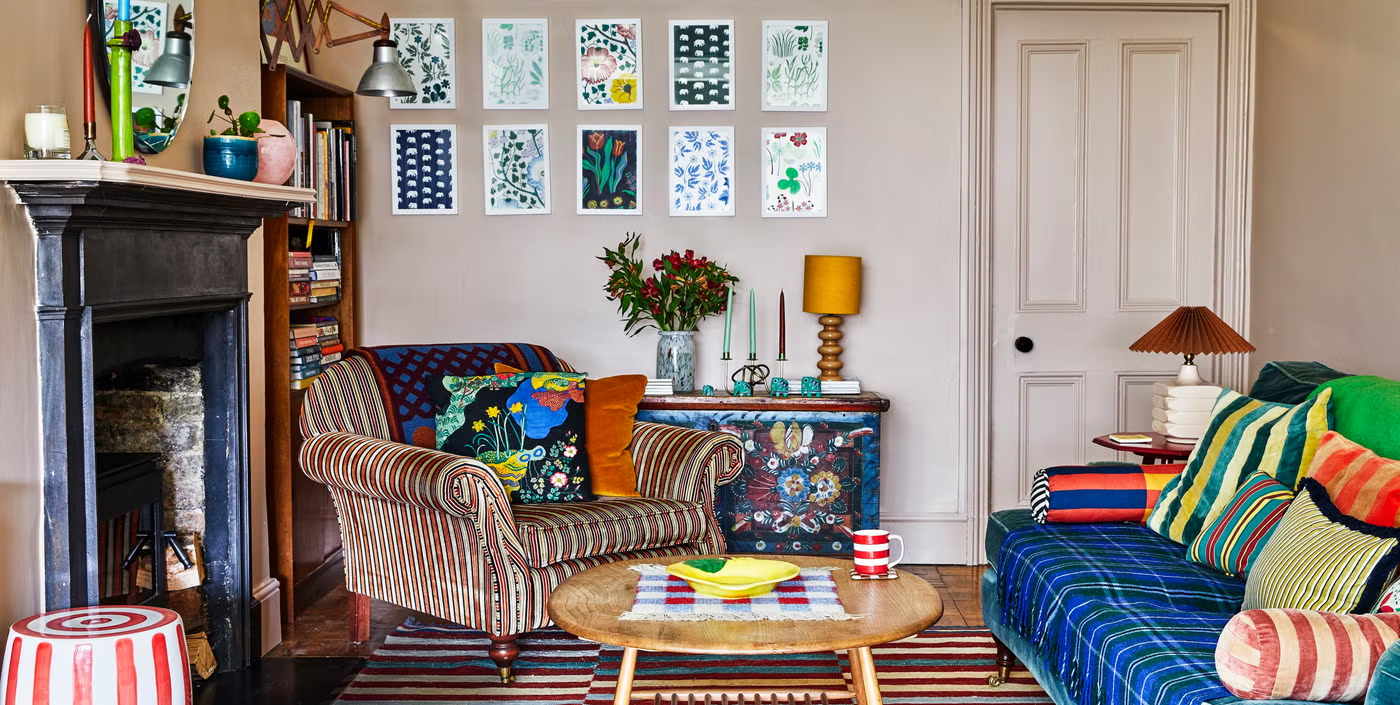
When people think about improving their homes, they usually focus on furniture, wall colors, lighting, or decorative accessories. However, one of the most influential elements of interior design is something that often goes unnoticed: the empty space between furniture. The distance between a sofa and a coffee table, the breathing room around a dining set, or the open floor beside a bed can completely change how a room looks and feels.
A beautifully furnished room can still feel uncomfortable when everything is positioned too closely together. On the other hand, even a modest space can feel welcoming and organized when furniture is arranged thoughtfully. Understanding how empty spaces influence movement, comfort, and visual balance can help homeowners create interiors that feel naturally inviting.
Why Empty Space Matters in Interior Design
Empty space is not necessarily wasted space. In interior design, it serves an important purpose by allowing individual pieces of furniture to stand out while creating a sense of openness.
When furniture is crowded together, the room can appear smaller than it actually is. People may also find it difficult to move comfortably between different areas.
An Australian lifestyle blog discussing modern interior trends might highlight how thoughtful furniture placement can make compact apartments feel more spacious without requiring expensive renovations.
The goal is not to remove as much furniture as possible. Instead, it is about finding a comfortable balance between occupied and unoccupied areas.
How Furniture Spacing Influences Movement
Every room has natural pathways that people follow throughout the day. These pathways connect entrances, seating areas, storage spaces, and frequently used household features.
When furniture blocks these routes, even simple activities can become inconvenient. Walking around an oversized coffee table or squeezing between dining chairs may seem like minor frustrations, but repeated interruptions can affect everyday comfort.
For example, leaving approximately 75 to 90 centimeters of clearance along frequently used walking routes can improve movement, although smaller spaces may require adjustments.
A Sydney local guide exploring apartment living could emphasize how maintaining clear pathways is especially useful in homes where several activities share the same room.
Thoughtful spacing allows movement to feel effortless rather than something residents must constantly consider.
Creating Visual Balance Without Buying New Furniture
Sometimes, a room feels unfinished or uncomfortable despite having attractive furniture and coordinated decorations. The problem may not be the furniture itself but how everything is positioned.
Placing every piece against a wall can leave an awkward empty area in the center. Alternatively, concentrating too many items in one corner can create an uneven appearance.
Moving a chair slightly away from a sofa, repositioning a side table, or creating more distance between decorative pieces can improve visual balance.
Homeowners exploring practical living ideas through platforms such as glid.com.au may find that experimenting with existing furniture arrangements offers an accessible starting point for refreshing their interiors. Small adjustments can sometimes produce noticeable improvements without additional spending.
The Relationship Between Space and Natural Light
Furniture placement also influences how natural light travels through a room. Large cabinets, tall shelving units, and oversized sofas can interrupt daylight when positioned near windows.
Creating open spaces around windows allows sunlight to spread more freely, making interiors appear brighter and more welcoming.
This becomes particularly important in smaller living rooms where limited natural light can make the environment feel enclosed.
Rather than adding more lamps immediately, homeowners can first examine whether furniture placement is preventing available daylight from reaching important areas.
Even shifting a large chair away from a window may change the atmosphere during different parts of the day.
Making Small Rooms Feel More Comfortable
Small rooms often encourage homeowners to push furniture closely together to maximize available floor space. However, this approach can sometimes make the room feel more crowded.
Choosing fewer functional pieces and maintaining visible gaps between them can create a more relaxed appearance.
A compact sofa with exposed legs, for example, may feel visually lighter than a bulky design extending directly to the floor.
Lifestyle discussions featured by publications such as Vizz Australia can inspire homeowners to reconsider how everyday spaces support comfort, practicality, and personal preferences.
The most successful arrangement is not necessarily the one containing the most furniture. It is the one that supports daily activities without unnecessary obstacles.
How Spacing Changes the Mood of a Room
Furniture arrangements can influence whether a room feels formal, relaxed, intimate, or open. Seating positioned close together encourages conversation and creates a cozy atmosphere. Greater distances between furniture pieces may establish a calmer environment suited to reading or quiet relaxation.
In living rooms, arranging chairs around a shared focal point can encourage interaction. Bedrooms often benefit from clearer spaces around the bed, creating a more peaceful appearance. These subtle decisions help determine how people experience a room beyond its decorative style.
Conclusion
The spaces between furniture are just as important as the furniture itself. They influence movement, natural light, visual balance, and the overall atmosphere of a home.
Creating a comfortable interior does not always require purchasing new items or undertaking major renovations. Sometimes, moving a table, opening a pathway, or allowing more breathing room around existing furniture is enough to make a meaningful difference.
By paying attention to what occupies a room and what remains open, homeowners can create spaces that feel more functional, balanced, and enjoyable every day.

