

Trees are living pillars of your landscape, providing cooling shade, enhancing property value, and filling your outdoor space with natural beauty.
Caring for these majestic plants requires more than just occasional watering; it demands a proactive approach to soil health, structural maintenance, and seasonal monitoring. Investing time in proper tree care ensures they grow strong, resist diseases, and thrive for decades.
Shaping Growth and Enhancing Vigor Through Expert Tree Pruning
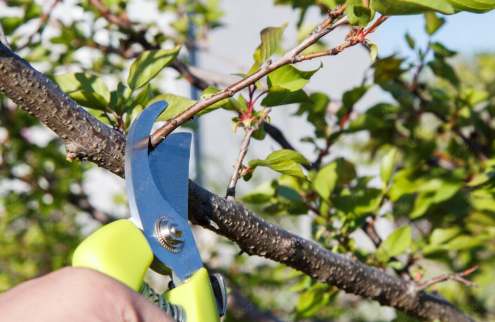
Regular trimming is one of the most effective ways to maintain the health, safety, and visual appeal of your landscape plants. Strategic tree pruning removes dead, diseased, or crossing branches, allowing sunlight to penetrate the canopy and air to circulate freely.
This process directs the tree’s energy toward healthy structural growth while preventing heavy limbs from becoming hazards during severe storms. Scheduling this maintenance during the dormant season minimizes stress and encourages lush spring foliage.
Knowing When Safety Demands Professional Tree Removal
While preserving every plant is always the primary goal, certain situations make clearing a tree an unavoidable necessity.
When a tree suffers severe storm damage, is heavily infested with wood-boring pests, or has a compromised root system near your home’s foundation, safe tree removal becomes crucial to protect your property and family.
Hiring certified arborists ensures that hazardous trees are dismantled and extracted efficiently without damaging surrounding landscaping or utility lines.
Mastering Proper Watering Techniques for Deep Roots
Watering trees correctly is entirely different from keeping a grass lawn hydrated; it requires deep, infrequent soaking to encourage robust root growth. Instead of shallow daily watering that only dampens the surface soil, provide a thorough soak that penetrates down to the root zone.
Applying water slowly around the drip line encourages roots to grow downward rather than staying near the surface. Adjusting your watering schedule according to seasonal rainfall keeps your trees resilient through dry summer spells.
Applying Organic Mulch for Moisture Retention and Soil Health
A proper layer of mulch acts like a protective blanket for your trees, offering benefits that extend far beyond simple aesthetics. Spreading organic wood chips or bark around the base helps retain vital soil moisture, suppresses weed competition, and regulates ground temperature extremes.
When applying mulch, maintain a safe gap around the trunk—avoiding the harmful volcano-mulching technique—to prevent moisture buildup and fungal decay at the base of the tree.
Monitoring and Managing Pests and Diseases Early
Healthy plants naturally resist many environmental stressors, but periodic pest infestations and fungal infections can still threaten your landscape. Inspecting your trees regularly for discolored leaves, unusual bark peeling, or sticky residue helps catch problems before they spread.
Promptly identifying issues allows you to apply targeted organic treatments or consult tree care specialists. Early intervention prevents minor insect outbreaks from causing irreversible damage to your favorite yard specimens.
Protecting Soil Vitality and Preventing Compaction
The soil beneath your canopy is a living ecosystem that supplies essential nutrients and oxygen to the root network. Heavy foot traffic, construction work, and machinery operation can pack down surrounding earth, suffocating roots and restricting water absorption.
Aerating compacted soil and avoiding heavy storage near the root zone preserves a breathable, nutrient-rich environment. Protecting the earth around your landscape ensures your trees have all the vital resources they need to flourish year after year.