
Australian weather can be extreme – heavy rainfall, flash flooding, water pooling, and soil erosion are some of the problems Australian properties have to deal with. When this extreme weather comes, stormwater drainage plays a critical role in protecting these properties, roads, and landscapes. Building an effective drainage system takes more than laying a few pipes on the ground. However, building a proper stormwater drainage system requires careful planning around sizing, gradients, connections, and discharge points.
If you’re looking to source reliable stormwater pipes for your project, Convic is the supplier for you. In this post, let’s take a look at what you need to consider when designing a reliable stormwater drainage system.
What Is a Stormwater Drainage System?
A stormwater drainage system is a system that is designed to collect, transport, and discharge rainwater away from the property. The main purpose of this system is to protect surfaces, structures, and landscaping from water damage.
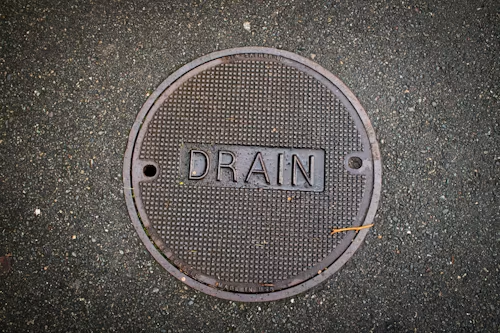
A system will contain several components, each with its own function. Grates, inlets, pits, and drains are designed to capture and collect rainwater. At the same time the pipes transport the water, while fittings connect and redirect the flow of the water.
It’s also worth noting that stormwater drainage is separate from sewer and wastewater drainage. They perform different functions and shouldn’t be confused for one another.
Key Steps in Designing a Reliable Stormwater Drainage System
Step 01: Assess the site and water flow.
When planning a stormwater drainage system, start by identifying the low points in the property where water collects naturally. Also consider the slope of the property, alongside any existing drainage. Surrounding buildings, driveways, landscaping, and roads should also be factored into the assessment and influence the route of your system.
Step 02: Estimate stormwater runoff.
The drainage system needs to have the capacity to accommodate the volume of water it will receive. This means considering local rainfall patterns, ground conditions, and the overall catchment area. Factors such as roof area and paved surfaces can also influence your estimation. It goes without saying that a large catchment area will need a larger drainage capacity.
Step 03: Select the correct pipe size.
The pipe diameter will have a direct impact on how well your system performs. Undersized pipes can buckle with the strain of the runoff, increasing the risk of backups and flooding. On the other hand, oversized pipes will be an unnecessary inconvenience and come with increased material costs.
Step 04: Plan the correct gradient
Keep in mind that gravity does a lot of the heavy lifting in stormwater drainage. So priority must be given to getting the gradient right. A proper gradient will help the water move efficiently through the system. A poor gradient will result in standing water and sediment build-up over time.
Step 05: Plan pits, fittings, and connections.
The proper stormwater fittings are crucial for ensuring a seamless connection and changing the direction of the drainage. Pits and other access points should be positioned strategically to allow inspection and maintenance.
Choosing the Right Stormwater Pipes and Fittings
When it comes to choosing the ‘right’ stormwater pipes and fittings, the following factors need to be considered.
- The water flow that the pipes need to accommodate
- The installation location
- The ground conditions
- Traffic or surface loads
- Exposure to UV and weather conditions
- The diameter of the pipes
- The compatibility of the fittings
- Compliance with industry standards
Common Stormwater Drainage Design Mistakes
Several recurring mistakes can undermine the overall integrity of the stormwater drainage system. Some of the most common mistakes include:
- Choosing wrong-sized pipes and fittings
- Not having sufficient drainage points
- Incorrect pipe gradients
- Too many unnecessary bends
- Poorly positioned pits
- Failure to account for heavy rainfall
- Discharging water without regard for soil erosion and downstream impacts
- Failing to account for future maintenance
How to Improve Stormwater Drainage Performance
Here are some practical habits that can go a long way to help improve the performance and reliability of your stormwater drainage system.
- Mapping out the drainage system before construction
- Calculating the expected runoff for the site
- Selecting proper size pipes and fittings
- Maintaining a suitable gradient
- Providing proper access for inspection and maintenance
- Protecting the underground pipes from excessive loads
- Considering local rainfall patterns and site conditions
- Adhering to relevant Australian construction standards and engineering requirements
- Sourcing supplies from a trusted and reliable supplier of civil construction material
- Using qualified professionals for the design and construction of the stormwater drainage system.
Conclusion
If you’re looking to build a stormwater drainage system that lasts, you need to carefully assess the site and source the right components from a trusted and reliable supplier. Failing to take into account the relevant factors will ultimately result in flooding, blockages, and maintenance headaches as well as higher and higher repair costs.
If you’re a homeowner, builder, or contractor building a stormwater drainage system, get in touch with Convic and explore our stormwater pipes and fittings. We’ve been supplying construction materials to infrastructure projects for decades. We are confident that you will find what you’re looking for with us.