
Mature trees are among the most valuable features of any property. They provide shade, lower cooling costs, support wildlife, and add real curb appeal. So when a tree starts to look unhealthy, homeowners are often torn: is it worth saving, or has it become a hazard that needs to go?
The answer isn’t always removal. In many cases, a tree that looks troubled can be treated, pruned, or supported to live safely for many more years. The key is getting an accurate diagnosis.
Early Signs a Tree Is in Trouble
Trees usually show symptoms long before they fail. Keep an eye out for:
- Thinning canopies, or leaves that are smaller, paler, or drop earlier than usual.
- Dead branches, especially at the top of the crown.
- Cracks, cavities, or areas of loose or missing bark on the trunk.
- Fungal growth such as mushrooms or conks at the base or on the trunk.
- Leaning that is new or getting worse over time.
- Heaving soil or exposed, damaged roots near the base.
- Signs of insect activity, such as small exit holes, sawdust, or unusual sap flow.
One symptom on its own doesn’t necessarily mean a tree is dangerous. Several together, or rapid changes, deserve a professional evaluation.
How Arborists Assess Tree Risk
A qualified arborist doesn’t just glance at a tree and give a verdict. A proper assessment looks at the whole picture:
- The species, age, and typical behavior of the tree.
- The health of the canopy and the amount of live versus dead wood.
- The structure of the trunk and major branch unions.
- Root health and soil conditions.
- What’s nearby, called the “target,” such as your home, a driveway, a play area, or power lines.
A tree with a structural defect far from anything it could hit poses less risk than a similar tree leaning over a bedroom. Understanding both the condition of the tree and its surroundings allows an arborist to recommend the right response.
Options Beyond Removal
Many homeowners are surprised by how many options exist short of cutting a tree down. Depending on the situation, an arborist might recommend:
- Targeted pruning to remove dead or weak limbs and reduce weight on stressed areas.
- Crown thinning or reduction to lower wind resistance.
- Cabling and bracing to support weak branch unions.
- Plant health care, including pest and disease treatments and soil improvements.
- Mulching and proper watering to reduce stress, especially during drought.
Companies that take a conservation-first approach, like Longtree Tree Service, emphasize tailored care for each species and proactive treatment that can help avoid emergency removals down the road.
When Removal Is the Right Call
Sometimes removal really is the safest and most responsible option. That’s often the case when:
- Most of the canopy is dead or dying.
- There is severe decay in the trunk or major roots.
- The tree has a dangerous lean with root damage.
- An untreatable disease or pest infestation threatens nearby trees.
- The tree is causing unavoidable damage to a foundation or structure.
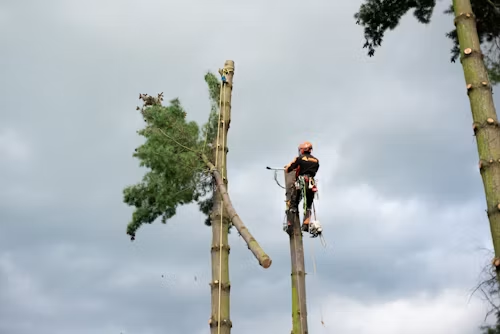
Tree removal, especially near homes, requires skill and the right equipment. Professional crews such as RTEC Tree Care can take down hazardous trees in controlled sections, protect surrounding property, and handle stump grinding and cleanup afterward.
Why DIY Removal Is Risky
Felling or heavily pruning a large tree is one of the most dangerous jobs a homeowner can attempt. Trees can fall in unexpected directions, limbs can kick back, and stressed wood can behave unpredictably. Hiring an insured professional protects you from injury, property damage, and liability if something goes wrong.
Final Thoughts
A struggling tree isn’t automatically a lost cause. Paying attention to early warning signs and getting an expert assessment gives you the best chance of saving valuable trees while removing those that truly pose a risk. When in doubt, call an arborist before you call for a chainsaw.