
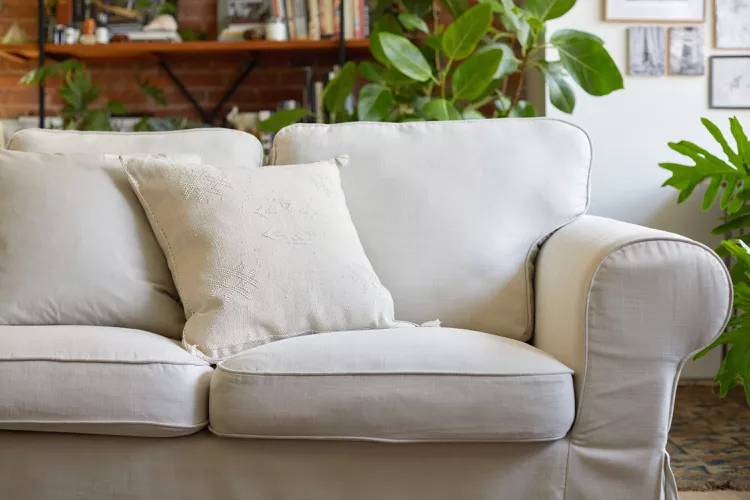
Sagging cushions can make an otherwise solid sofa or chair feel worn out long before the frame is ready for replacement. The right cushion refill ideas can restore height, improve support, and make daily seating feel more comfortable without changing the entire piece of furniture.
Why Cushions Start Feeling Flat
Most seat cushions lose shape because their filling compresses after years of repeated pressure. Foam can soften, polyester fiber can pack down, and feather-filled inserts may shift away from the center.
The problem isn’t always the cushion itself. Stretched fabric covers, weakened support underneath, or an insert that’s slightly too small can also create that sunken appearance.
Check the Cushion Before Buying Filling
Remove the insert and press it from several angles. Foam that stays deeply indented may need replacement, while loose fiber or feathers may only need redistribution or additional material.
Also inspect the zipper and seams. A cover that’s stretched considerably may still look loose after a new insert is added.
Choose a Refill That Matches How You Sit
Different materials change both comfort and appearance. Firm foam works well for frequently used seats because it holds a defined shape, while softer wraps can create a fuller surface.
Looking through general home reading while planning furniture updates can also help you think about how cushion proportions relate to the surrounding room. Deep sofas usually tolerate softer fills better than shallow seats that need more structure.
| Refill Type | Typical Feel | Main Consideration |
|---|---|---|
| Foam | Supportive and shaped | Can soften with age |
| Polyester fiber | Soft and inexpensive | Compresses faster |
| Feather blend | Relaxed and plush | Needs regular fluffing |
| Foam with wrap | Balanced | Slightly bulkier insert |
Measure Before Ordering Replacement Foam
Pull the cushion from its cover and measure the insert rather than relying only on the exterior fabric. Record width, depth, and thickness at several points if the old cushion has become distorted.
A slightly fuller insert can improve appearance, but forcing oversized foam into a delicate cover can strain seams. Broader residential design reading can be useful when you’re comparing how different furniture proportions affect a bedroom, family room, or living space.
For unusual shapes, make a simple paper template. Curved corners, T-cushions, and attached backs are harder to estimate accurately from basic rectangular measurements.
Improve the Support Under the Cushion
Sometimes refilling the seat only solves half the problem. Remove the cushions and examine the platform below them for sagging webbing, bowed slats, broken springs, or a flexible base that has lost tension.
A thin support panel designed for upholstery may help in some furniture, but it shouldn’t be used to hide structural damage. When browsing broader property ideas, keep the focus on how furniture functions in the actual room rather than making cosmetic changes alone.
For loose-back cushions, rotate and reverse them regularly when the design allows. Even small changes in pressure distribution can reduce the speed at which one area flattens.
Common Cushion Refill Mistakes to Avoid
Adding more stuffing isn’t always the best answer. Overfilled cushions can feel unusually hard, distort piping, and place unnecessary stress on zippers or stitched corners.
Another mistake is replacing soft foam while ignoring damaged support underneath. The new insert may look better for a short time but begin sagging again because the base still flexes too much. Matching the refill to the cushion’s original construction usually produces a more natural result than simply choosing the thickest material available.
Frequently Asked Questions
Can I add stuffing without replacing the existing foam?
Yes. If the foam still has reasonable structure, adding a polyester or batting wrap can improve surface fullness. This works best when the foam is merely softened rather than permanently collapsed.
How firm should replacement seat foam be?
It depends on seat depth, body support preferences, and furniture design. Frequently used seats generally benefit from firmer foam, while decorative or lightly used seating can feel comfortable with softer material.
How often should loose cushions be rotated?
Rotating them every few weeks can help distribute wear, especially on a frequently used sofa. Cushions that can also be flipped tend to maintain a more even shape over time.
Make the Seat Comfortable Again
Start by identifying whether the problem comes from the filling, cover, or support underneath. Then choose a refill that matches the cushion’s original dimensions and the way the seat is used. A careful refill can extend the useful life of comfortable furniture without turning a simple repair into a full replacement project.


