
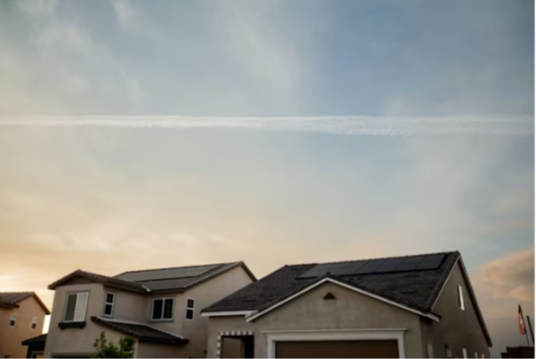
A roof is one of the most critical components of any building, yet it is often the least frequently maintained. It serves as the first barrier against rain, wind, temperature changes, and environmental wear.
Without regular care, small issues can develop into structural damage that affects the entire property. Effective roof maintenance is not only about repairs but about prevention, ensuring that minor faults are addressed before they escalate into costly failures.
Regular Inspection and Early Detection
Consistent inspection is the foundation of roof care. Over time, weather exposure can cause tiles to shift, sealants to weaken, and debris to accumulate in vulnerable areas.
Checking the roof at regular intervals helps identify early signs of damage such as leaks, sagging sections, or missing materials. Early detection allows for targeted repairs rather than extensive intervention, reducing both cost and disruption. A well-monitored roof is far less likely to experience sudden failure.
Keeping Gutters and Drainage Systems Clear
Proper drainage is essential for maintaining roof integrity. Blocked gutters can cause water to pool, increasing pressure on roofing materials and leading to leaks or structural weakening. Regular cleaning ensures that rainwater flows efficiently away from the building.
Downpipes and drainage channels should also be checked for obstructions. Effective water management protects not only the roof surface but also the underlying structure and foundations of the property.
Preventing Damage Through Routine Maintenance
Preventative maintenance plays a key role in extending the lifespan of a roof. This includes replacing damaged tiles, resealing joints, and removing moss or algae growth that can trap moisture. Left untreated, these issues gradually weaken the roof’s protective layer.
Preventative care reduces the likelihood of emergency repairs and helps maintain consistent performance throughout changing weather conditions. A proactive approach is always more cost-effective than reactive repair.
The Role of Professional Roofing Services
While basic maintenance can be handled by property owners, more complex issues require specialist attention. Professional roofing services provide expertise in diagnosing structural problems that may not be immediately visible.
Trained specialists can assess the condition of materials, identify underlying damage, and recommend appropriate solutions. Their experience ensures that repairs are carried out safely and effectively, reducing the risk of recurring issues. Engaging professional support also helps maintain compliance with building standards and safety requirements.
Addressing Structural Wear and Long-Term Damage
Over time, even well-maintained roofs will experience natural wear. Exposure to temperature fluctuations, moisture, and wind gradually reduces material integrity. Cracks, leaks, and weakened support structures are signs that more significant intervention may be required.
Ignoring these issues can lead to widespread damage that affects insulation, internal ceilings, and even electrical systems. Regular assessment ensures that structural wear is managed before it becomes critical.
When Roof Replacement Becomes Necessary
There comes a point where repairs are no longer sufficient, and full roof replacement becomes the most practical solution. This is typically the case when damage is extensive, materials have reached the end of their lifespan, or repeated repairs no longer provide lasting results.
Roof replacement involves removing the existing structure and installing a new system designed for improved durability and efficiency. While it requires greater investment, it restores full protection and can significantly enhance property value.