
Walking into your living room after a heavy rainstorm and spotting a wet patch on the ceiling is incredibly frustrating. You head outside, look up at your house and notice that every single shingle appears completely straight flat and intact. It seems impossible for water to be getting inside when the outer barrier looks totally perfect from the ground. However household roofs are complex water-shedding networks that rely on many hidden components working together beneath the surface.
When a hidden breakdown happens in one of these underlying layers water can easily bypass your main shingles without disturbing them at all. Finding the exact entry point requires a deep understanding of how moisture moves through valleys, seams and flashing zones. Let’s look at the secret structural culprits behind these mysterious ceiling spots so you can protect your home from long-term water damage.
Key Takes
- Hiring a certified roofing contractor tri cites WA homeowners trust is the fastest way to pin down hidden leaks.
- Water entry points often start around hidden metal flashings rather than the main shingle surfaces.
- Clogged gutter networks force rainwater to back up underneath the bottom roof edge.
- Compromised rubber gaskets around plumbing vents are a primary cause of mysterious drips.
- Condensation issues inside poorly ventilated attics frequently mimic real roof punctures.
8 Hidden Causes of Mysterious Roof Leaks
Pinpointing a leak when your shingles look brand new requires looking closely at the valleys penetrations and structural joints of your home. Rainwater is incredibly persistent and it will find the absolute path of least resistance through the tiniest physical gaps. Here are the main hidden problem areas that should always be inspected when troubleshooting an invisible leak.
1. Cracked or Compromised Vent Pipe Boots
Your roof features several plastic or metal pipes sticking out of it to vent sewer gases and allow your plumbing system to breathe. To seal the gaps around these holes installation crews slide a specialized rubber collar known as a vent boot over the pipe. Over years of exposure to baking sun and freezing weather this rubber collar naturally dries out cracks and splits open. Rainwater slides right down the vertical pipe, slips through the cracked rubber boot and drips directly into your attic space without disturbing a single nearby shingle.
2. Rusted or Poorly Installed Valley Flashing
The valleys are the sloped angles where two different roof faces meet creating a major channel for rushing rainwater during a heavy storm. Because these areas handle a massive volume of fast-moving water they are lined with internal metal sheets called valley flashing. If these metal channels are lifting up rusting through or were nailed down improperly during construction water can easily slip underneath the overlapping shingles. The exterior layers will look completely flawless but underneath them the metal is letting streams of water soak your wooden decking.
3. Degraded Chimney Mortar and Counter Flashing
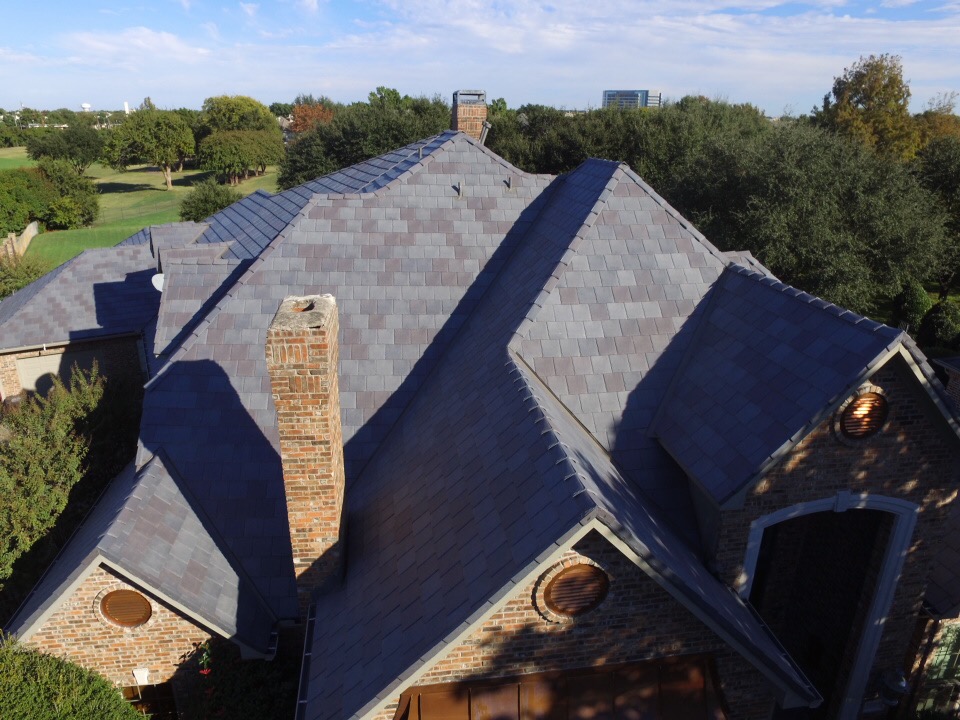
Chimneys are notorious hotspots for structural water intrusion because they interrupt the natural downward flow of your roofing material. The joints around a brick chimney are sealed with interlocking layers of metal flashing embedded directly into the mortar lines. If the mortar cracks or the metal sheets pull away from the brick even a fraction of an inch of driving rain will seep behind the metal barrier. The water runs down the hidden backside of the fireplace structure and pools on your ceiling completely bypassing your main shingles.
4. Backed-Up Gutters and Ice Damming
When your gutter system gets packed full of dead leaves, pine needles and twigs rainwater has nowhere to go as it pours off your roof. The trapped water pools up inside the metal brackets and it slowly wicks backward underneath the very bottom edge of your roofline. During the freezing winter months this backed-up water turns into a thick ridge of ice known as an ice dam. The ice holds melted water against your roof forcing the liquid up and under the shingles where it can soak into your drywall.
5. Corrupted Fasteners and Backed-Out Nails
During a standard installation workers use thousands of specialized nails to secure the underlying felt and shingles to the wooden roof deck. Occasionally a nail hits a knot in the wood or it is driven in at a slight angle causing it to slowly push upward over time. This is known as a backed-out nail. The rising metal head lifts the shingle just enough to let wind-driven rain blow underneath it. In other cases a nail might miss the support beam entirely leaving a tiny open pinhole that acts like a straw for dripping water during prolonged downpours.
6. Punctures from Rooftop Equipment and Antennas
Many homeowners have satellite dishes, television antennas or solar panels bolted directly into their roof structures. The brackets for these devices require driving heavy lag bolts straight through the protective outer layers and into the framework of the house. If the installer forgot to apply high-grade silicone sealant around these brackets or if the sealant has dried up and blown away water will seep down the threads of the bolt. The shingles surrounding the bracket will look perfectly fine but the bolt hole creates a direct path for leaks.
7. Poor Attic Ventilation and Internal Condensation
Sometimes a mysterious ceiling leak isn’t actually caused by outdoor rain slipping through your roof. If your attic lacks proper ridge vents or soffit intake grilles, hot humid air from your bathrooms and kitchen gets trapped inside the peak of your roof. During cold winter nights this warm moisture hits the freezing underside of your wooden roof deck and turns into liquid condensation. The wood gets completely soaked and it starts dripping water onto your insulation perfectly mimicking a real exterior roof puncture.
8. Structural Settling and Wall Intersection Gaps
As a house ages the foundation and wooden framing naturally settle and shift a tiny bit over the decades. This slight movement can pull rooflines away from vertical dormer walls or intersecting garage structures creating microscopic gaps in the step flashing. Wind-driven rain can blow sideways into these hidden seams traveling behind your siding and down into your living spaces. Because the leak enters through a vertical wall seam rather than a flat surface your main shingles will remain completely unaffected and look beautiful.
Rather than just guessing or replacing random parts of your roof a professional uses targeted inspection methods to isolate the exact flashing or ventilation failure that is threatening your structural decking. They can locate the exact path the water is traveling before it ruins your drywall.
Conclusion
Finding a leak when your shingles look perfect is proof that roofing health goes far deeper than what you can see from your driveway. By paying close attention to plumbing boots, valley flashings, chimney joints and internal attic humidity you can solve these mystery drips before they rot your home’s framework. Working with a dedicated roofing contractor tri cites WA area property owners depend on guarantees your living space stays perfectly dry, comfortable and protected through every seasonal storm.
Read More: Why Roof Valley Flashing Fails and Causes Costly Leaks